
How Arrest Warrants Work in Columbia County
An arrest warrant is a judge's order to take someone into custody. That's the whole of it. Under Arkansas law, that means reasonable grounds. A judge or magistrate must find them from personal knowledge or sworn information. In Columbia County, the proof usually starts with an investigator's complaint or affidavit. The signature comes only after judicial review. Where the case lands depends on the charge. A felony belongs to the Arkansas Circuit Court, Thirteenth Judicial Circuit, and the Columbia County Circuit Clerk keeps that file. Misdemeanors and preliminary felony matters can begin in Columbia County District Court instead. Magnolia Police, sheriff investigators, or state police may build the case. Only the court gives a warrant its legal force.
Columbia County Warrant Affidavits
The Sheriff's Criminal Investigation Division prepares warrant affidavits and works alongside the Prosecuting Attorney and other agencies. An affidavit is a sworn statement of facts. It is what the judge reads. In Columbia County, the judicial officer then decides whether those facts reach the reasonable-cause standard. Investigator, prosecutor, and judge each hold a separate role. Arkansas benchbook material lists the usual fields. They include the proposed defendant's name and identifying details, the offense and code section, the date and county, the facts claimed to show cause, and the affiant's sworn statement. That is why a court file can reveal more than a short docket label. Columbia County affidavits may stay sealed while an investigation runs. Sealing during an active case is common. A public entry is not a full copy. The clerk decides access.
Note: a sealed Columbia County arrest warrant can exist even when the public case search returns nothing useful.
Arrest Warrants: What They Contain
Columbia County arrest warrant records tie the judicial order to a court case. Local public sources show no standard warrant-number format. Don't guess one. Ask the clerk which case or warrant identifier controls, since key fields can change after service, recall, or a later court order.
| Case or warrant identifier | Links the order to the filing; the local warrant format is not publicly documented. |
|---|---|
| Named subject | Identifies the person named by the order; sensitive details may be limited. |
| Charge and statute | States the alleged offense, level, venue, and Arkansas law involved. |
| Issuing court | Names the judge or magistrate, division, and issue date. |
| Bond or court flag | May show an amount, type, or a mandatory-court direction. |
| Service and status | May reflect the serving agency, return, active, served, recalled, or quashed state. |
The issue date alone won't tell you if a warrant is still active. The issuing clerk controls the court status. The sheriff may hold newer service information on a Columbia County warrant.
Columbia County Arrest Warrant Felony Files
The Circuit Clerk keeps the circuit felony files. The directory lists Lisa C. Lewis at 1 Court Square in Magnolia, 870-235-3700. Start with Arkansas Case Search by participant name. Then call the clerk with the case number and court shown. Case Search is a docket tool. It is not a full arrest-warrant database. District Court handles misdemeanors and traffic cases. It also covers ordinances and preliminary felony work in Columbia County. Its Magnolia clerk answers at 870-234-7312. The Waldo clerk's number is 870-693-2198. The court named in the record controls, not where the person lives. If the online docket is thin, an Arkansas Freedom of Information Act request can seek a specific public record from the right custodian. ACIC and NCIC data stay restricted and cannot be sought that way.
How Warrants Get Served in Columbia County
Certified officers execute Columbia County arrest warrants. Deputies, city police, or state police may draw the assignment. The sheriff publishes no person-by-person assignment list. The sheriff administration page names Heather Duke as Civil and Warrant Clerk. That office is the local contact for service questions. Booking after an arrest runs through the Columbia County Detention Center. An initial appearance follows, with a bond decision when allowed. The sheriff and detention center share the facility at 82 Columbia Rd 300 in Magnolia. No dependable after-hours surrender rules are published. Call 870-234-5331 before appearing. A lawyer can ask the issuing court and sheriff how a planned walk-through works. Service often happens during lawful contact. But never pay a caller who demands money. Columbia County warns that its office does not demand Bitcoin or payment through an unlisted provider.
Columbia County Arrest Warrant Form Index
The Arkansas court forms index includes a Trial Court Order for Issuance of Arrest Warrant. The state's form page shows the official source without any person's record. Columbia County courts use these state forms.
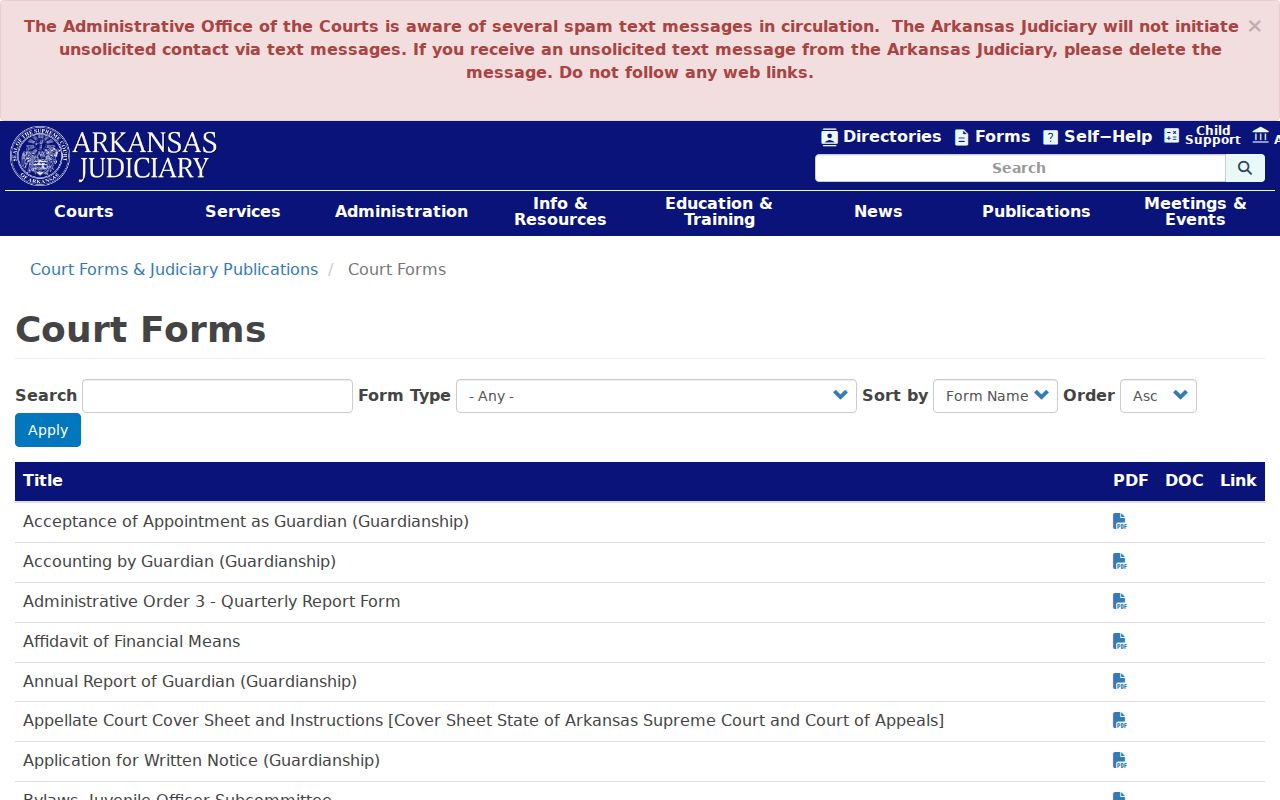
The form listing helps you spot the kind of judicial order involved. It does not confirm that a Columbia County arrest warrant exists. It cannot replace a call to the filing clerk. For local court routing, the district administrative-plan index is the structural source.
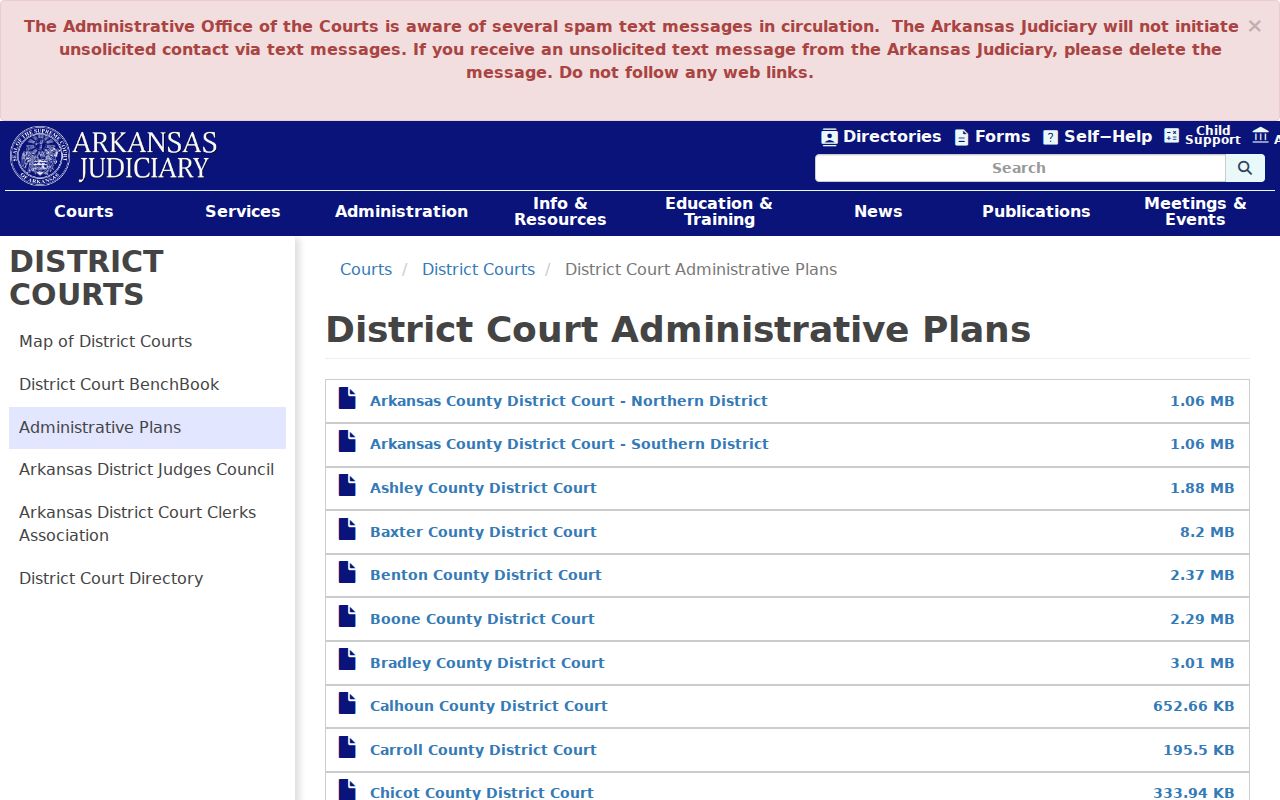
Use the current court directory for names and phone numbers. Older plans may list past Columbia County staff or session details.
Arrest Warrants, Summonses, and Bench Warrants
Columbia County courts use three distinct tools. An arrest warrant authorizes custody on a judge's finding. A summons simply orders a person to appear. A bench warrant steps in after a missed appearance or another failure to comply. Each response has to match the instrument and the issuing court.
| Instrument | Basis | Practical response |
|---|---|---|
| Arrest warrant | Sworn facts establish reasonable cause for an alleged offense. | Confirm status, obtain counsel, and arrange surrender or bond if allowed. |
| Summons | The court orders a person to attend on a stated date. | Appear as directed and contact the clerk about any conflict. |
| Bench warrant | A required appearance or court obligation was missed. | Ask the issuing court about a reset, recall, payment, or appearance. |
Either warrant type can end in custody in Columbia County. Getting out is not the same as ending the case, though, because a bond only sets release terms and a future appearance.
Columbia County Mandatory-Court Flags
The sheriff's bond and fine schedule tags some offenses “Mandatory Court,” meaning a posted payment may not resolve them. It is not an arrest warrant lookup. The District Judge can adjust its figures. For a current amount, call the Business Office at 870-235-3740.
Key point: Posting bond can address custody, but it does not dismiss the Columbia County charge or erase future court dates.
Ask the Columbia County court whether an appearance is required, whether bond can be arranged before surrender, and whether it will hear a motion to recall. Get proof. Keep the receipt. Also obtain a docket entry or clerk confirmation showing what actually changed. If sheriff service records are involved, ask when the updated court action will reach the Civil and Warrant Clerk.
When Columbia County Arrest Warrant Records Lag
An arrest warrant moves through several systems before Columbia County records agree: the court filing, the clerk docket, the sheriff service record, and restricted state and national law-enforcement data. They do not update at once. Arkansas rules direct agencies to validate warrant entries with courts and drop noncurrent ones. That validation system is closed to public searches. A Case Search result can be missing too. The filing may be new, sealed, juvenile, restricted, or not yet synced. Old entries also linger, since a docket line can stay visible after a warrant has been served or recalled. Write down the case details. Ask the issuing clerk for current status first. Then ask the sheriff whether service is still pending. A zero result alone cannot settle a Columbia County warrant check. Note: Court confirmation and sheriff confirmation answer different parts of one Columbia County arrest warrant check.
Handling an Arrest Warrant in Your Name
First, confirm the issuing court. Then get the case number, charge, bond flag, and next setting. See a lawyer before you choose how to appear. In Columbia County, counsel may propose a voluntary surrender, bond arranged in advance, a court-approved walk-through, or a motion to recall or quash. “Quash” means the court sets the warrant aside; the sheriff cannot grant that.
- Call the issuing clerk and ask whether the arrest warrant is active.
- Ask counsel and the sheriff about surrender, booking, and bond instructions.
- Bring identification, case details, medication information, and attorney contact details if directed to surrender.
- After bond, appearance, or recall, obtain written or docket proof and confirm the sheriff record updated.
Important: Call a lawyer and the official office before surrendering; an active Columbia County arrest warrant can lead to custody.
Do not pay an unknown caller. Use the court, the sheriff's published number, or the approved payment route, and for the full sequence see the Columbia County warrant records overview.